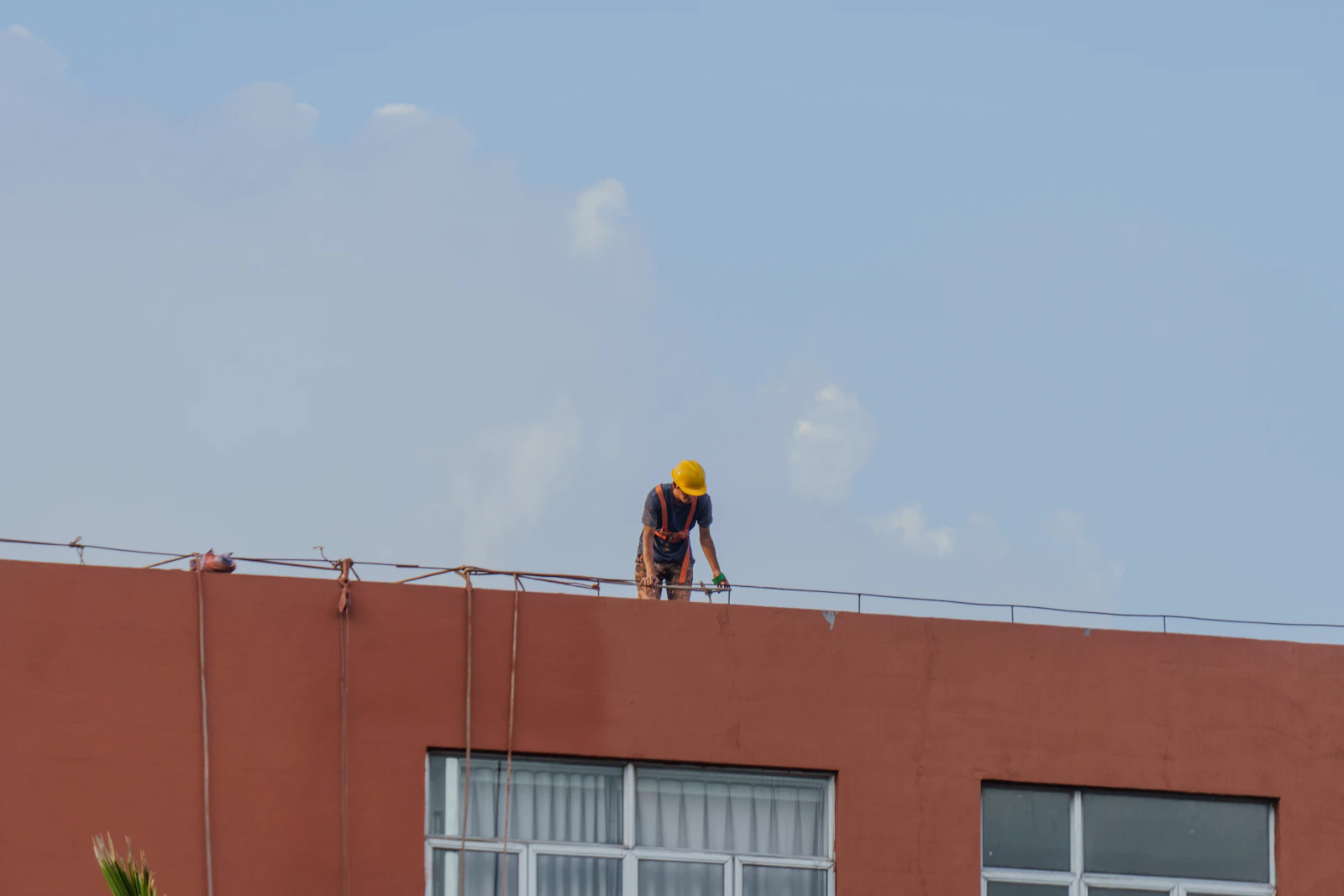
Installation, repairs and planned maintenance for roofs, gutters and downpipes across Melbourne — considered as one connected weather-management system.
Melbourne roofing and guttering enquiries by email
Roof / edge / outlet
Four connected services
Start with the part that needs attention.
A roof is not separate from the way water leaves it. The right path may focus on one component while still checking the interfaces around it.
Roof installationStructure to edgeRoof repairCondition and detailGutter installationFall and supportMaintenanceKeep water moving
Roof installationStructure to edge01 / Roof installation
Plan the roof surface and its interfaces together.
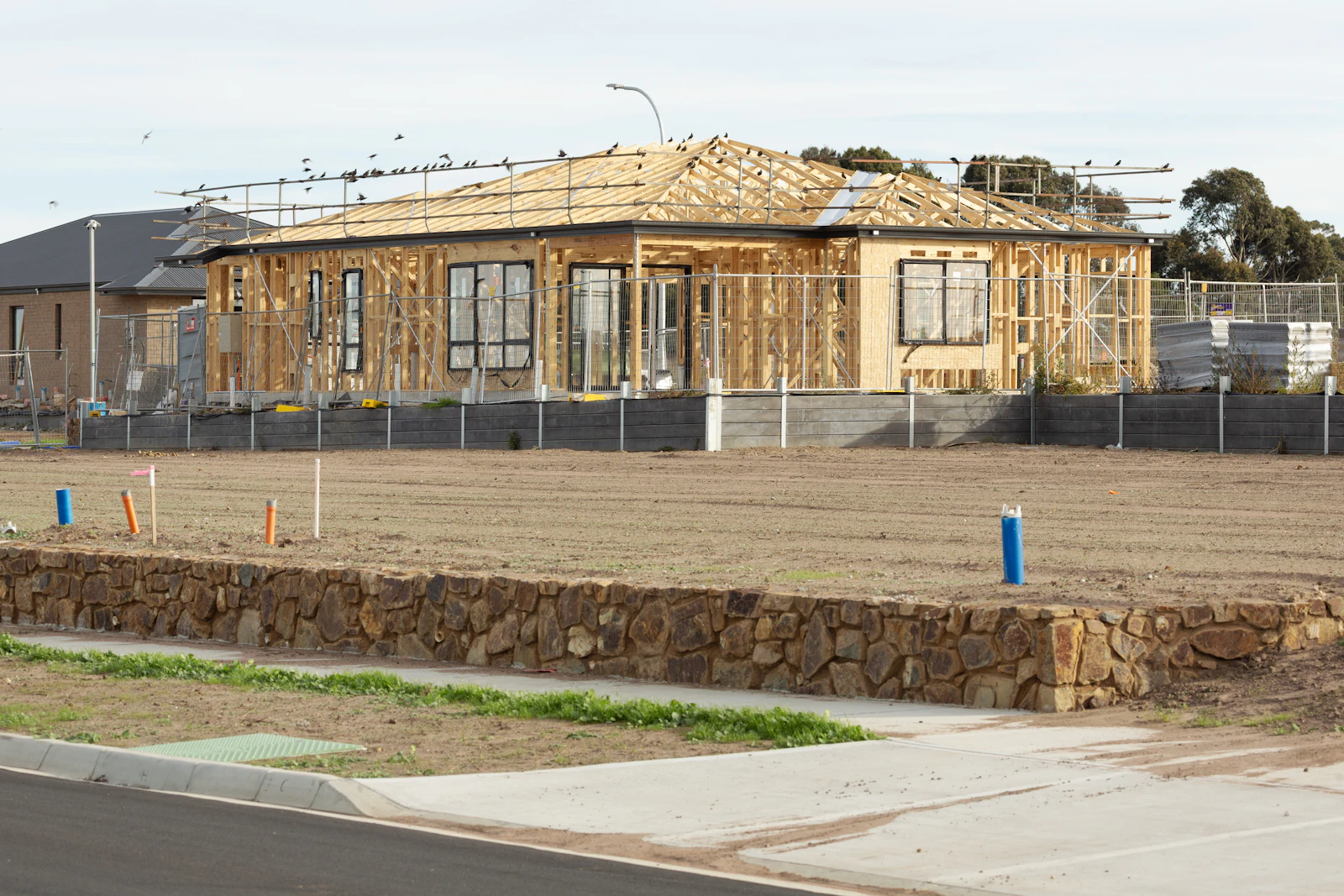
Installation or replacement involves more than selecting a visible finish. Flashings, penetrations, ridges, valleys and the transition to the rainwater system all shape a coherent scope.
Water entry, displaced components and visible wear can have more than one cause. A useful repair path starts with the condition and the surrounding junctions.
Explore roof repairsGutter installationFall and support03 / Gutters and downpipes
Give roof water a deliberate way out.
Profile, capacity, fall, outlets, overflow paths, fascia condition and downpipe connections belong in the same conversation.
Follow the water from surface to ground connection.
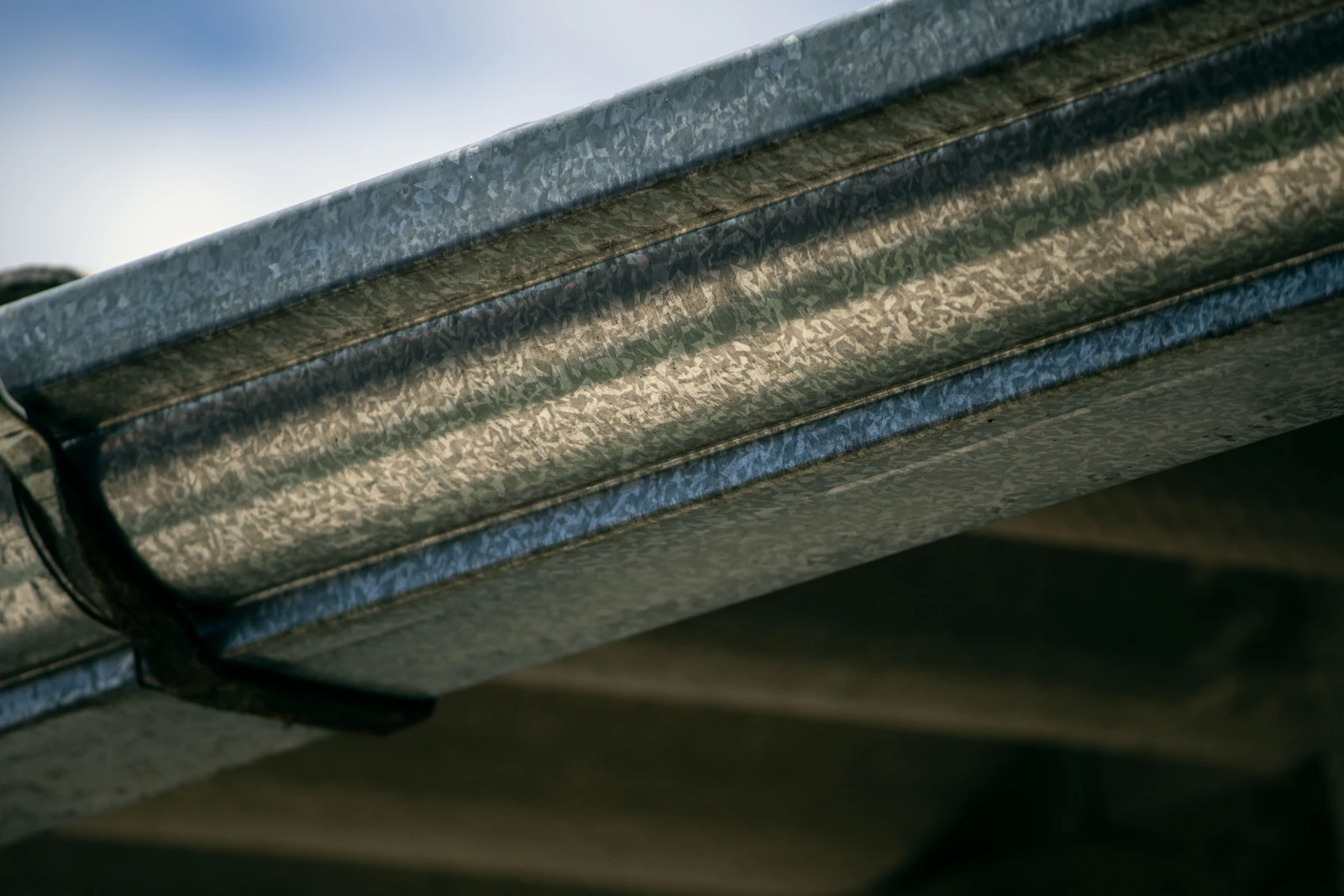
The educational lens highlights three places where roof and drainage decisions meet. Use the labelled controls with a keyboard, or move a pointer across the photograph.
A / Edge
The gutter edge and profile help define how water is received and contained.
B / Bracket
The visible bracket illustrates how fixing and support relate to alignment, fall and the receiving edge.
C / Interface
The eaves, fascia and roof edge need to be read together, not as isolated strips.
Victorian conditions
Weather leaves clues.
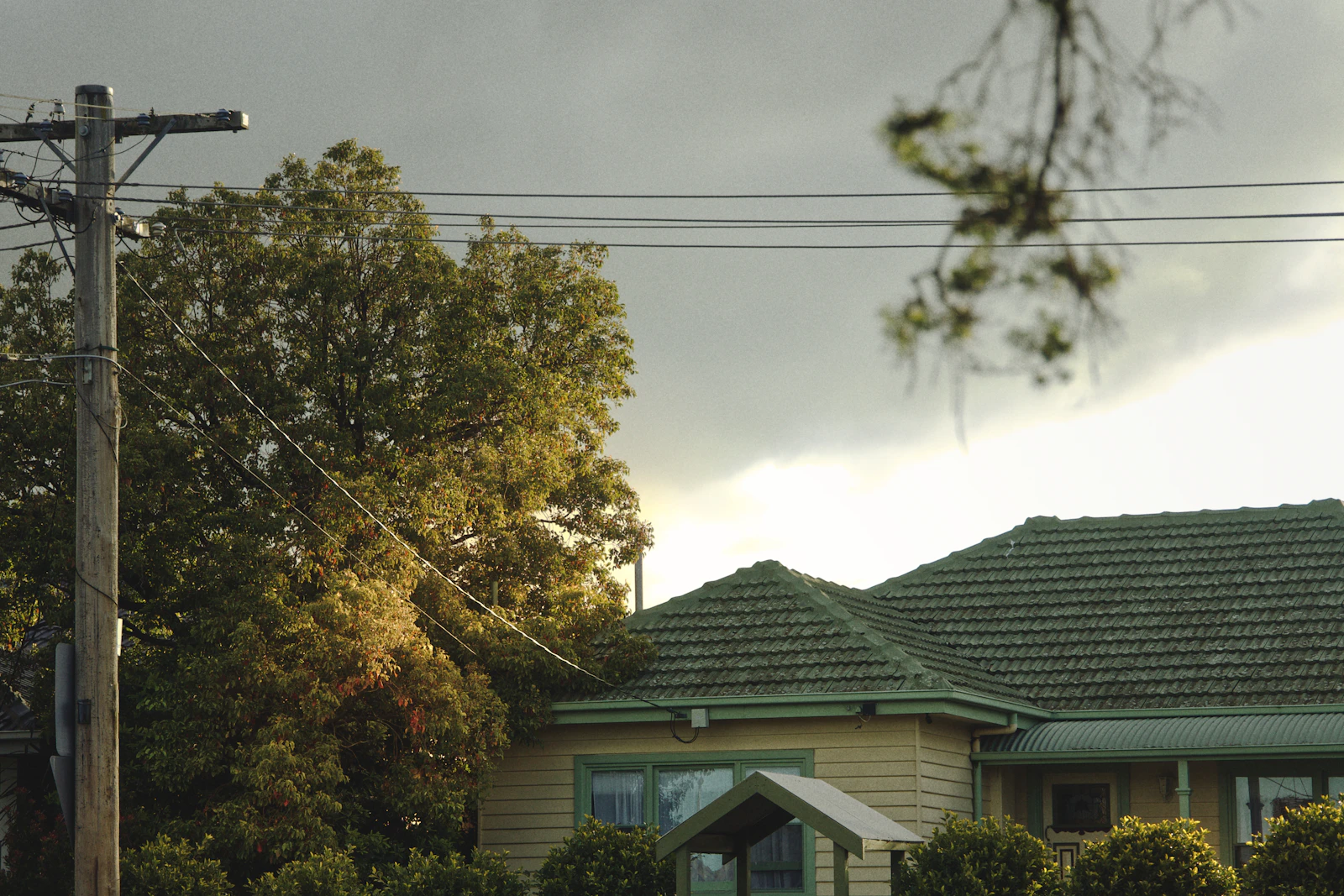
A useful inspection pays attention to how rain, windborne material and ordinary ageing show up across the whole roof-to-drainage path.
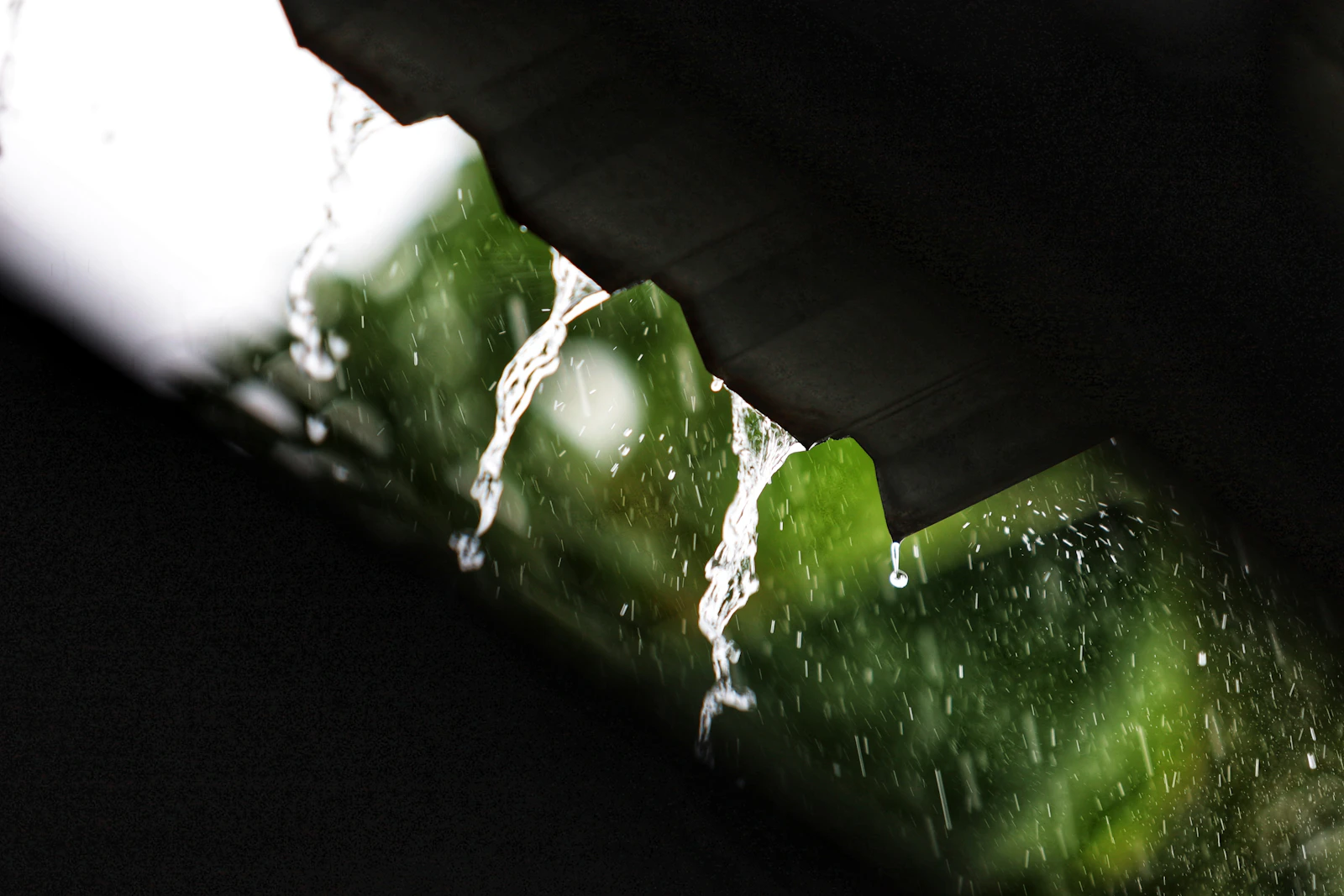
Rainwater movement
Staining, local overflow or water appearing where it should not can point to a roof or drainage issue worth tracing.
Debris
Leaves and sediment may obstruct gutters, valleys and outlets, especially where nearby vegetation reaches over a roofline.
Corrosion
Surface change around joins, fixings and drainage components can help define whether maintenance or local replacement should be considered.
Seasonal wear
Heat, cool changes, wind and repeated wetting can expose movement or deterioration at vulnerable details over time.
Illustrative trade contextScope and access are considered before work
Our approach
Understand first. Define the scope second.
Clear communication begins with what you have observed, where it appears and how the roof, edge and drainage components relate. From there, the proposed scope can be explained in practical terms.