Understand the property and the concern
Begin with suburb, property type, roof or gutter context, what has been observed and any safe photographs or documents.
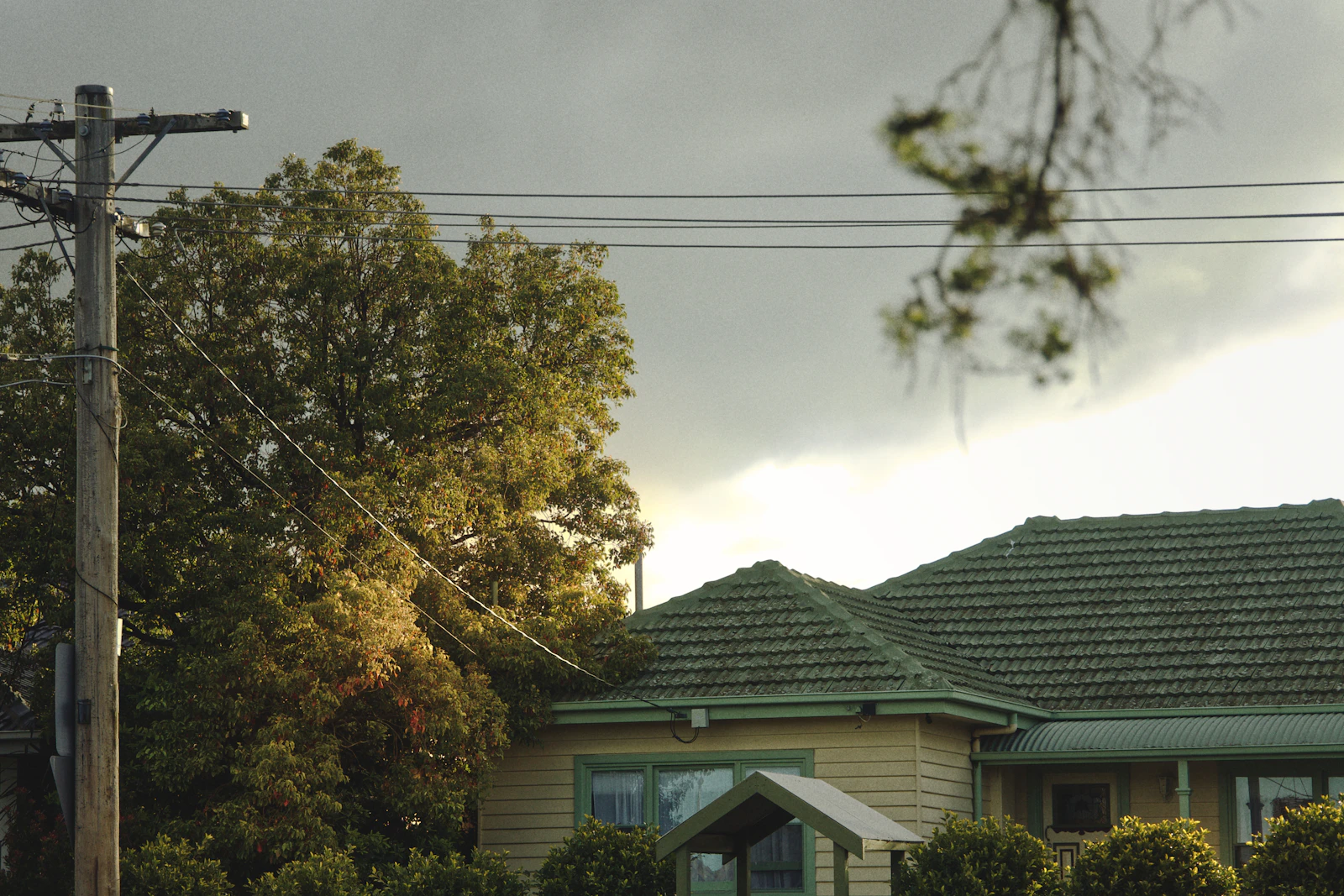
Our approach / From concern to review
The process starts by understanding the property and ends by putting the completed scope back into the context of the whole weather-management path.
Melbourne roofing and guttering enquiries by email
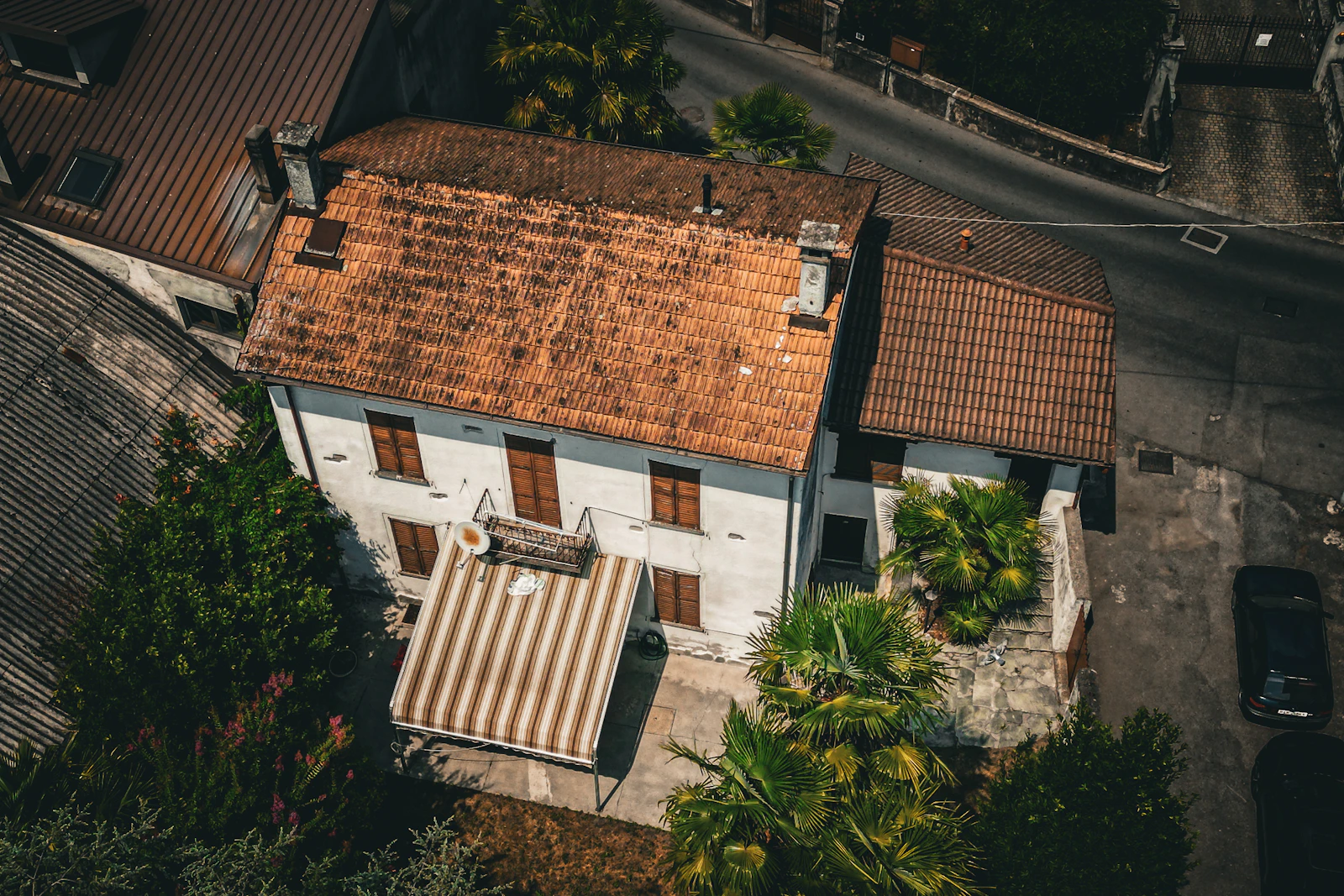
The working sequence
The exact work varies. The value of the sequence is that observations, recommendations and agreed scope remain distinct.
Begin with suburb, property type, roof or gutter context, what has been observed and any safe photographs or documents.
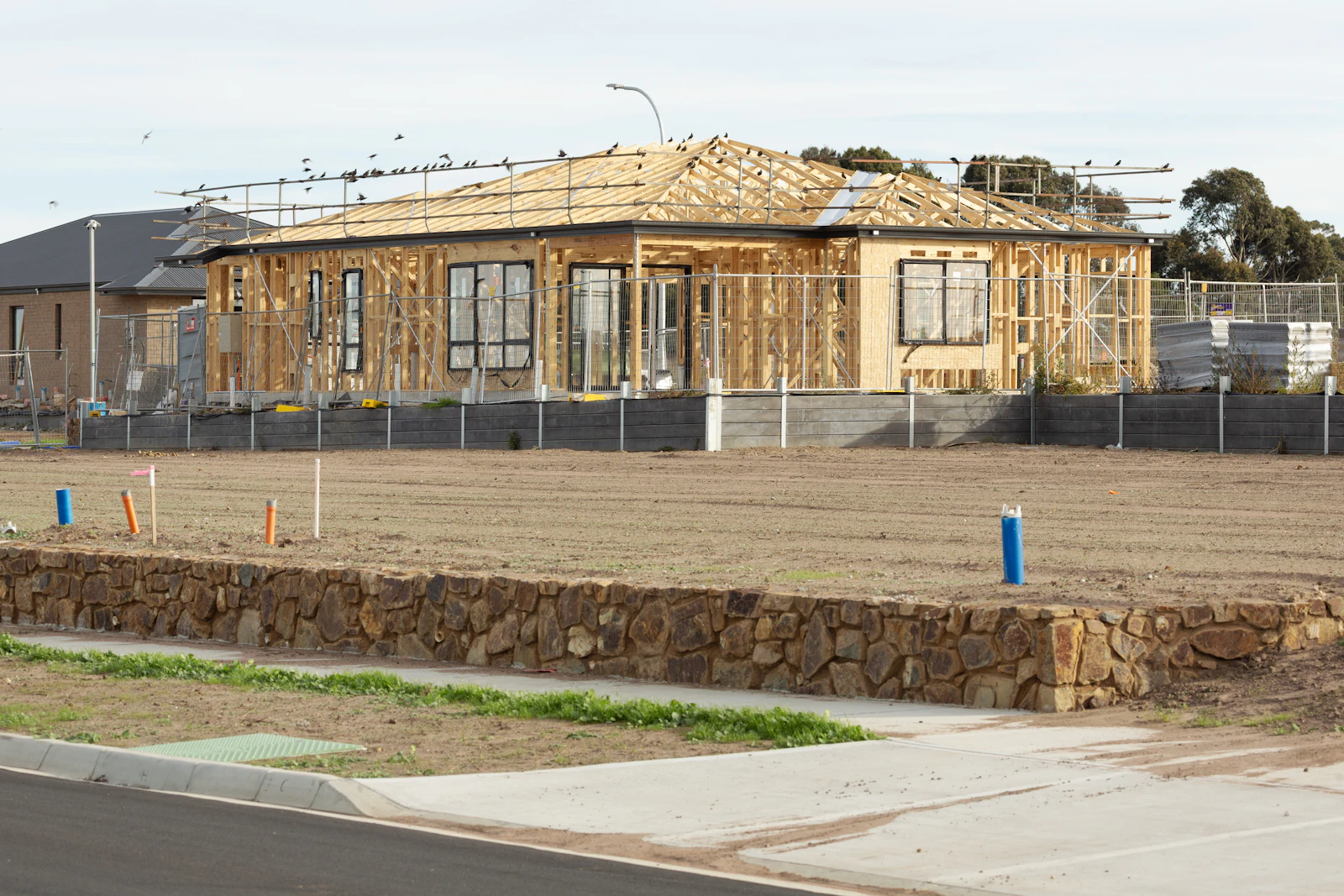
Look beyond the isolated symptom to adjacent surfaces, flashings, edges, gutters, outlets and downpipes that may be relevant.
Describe what is proposed, which area it addresses and where a separate maintenance or future consideration should remain separate.
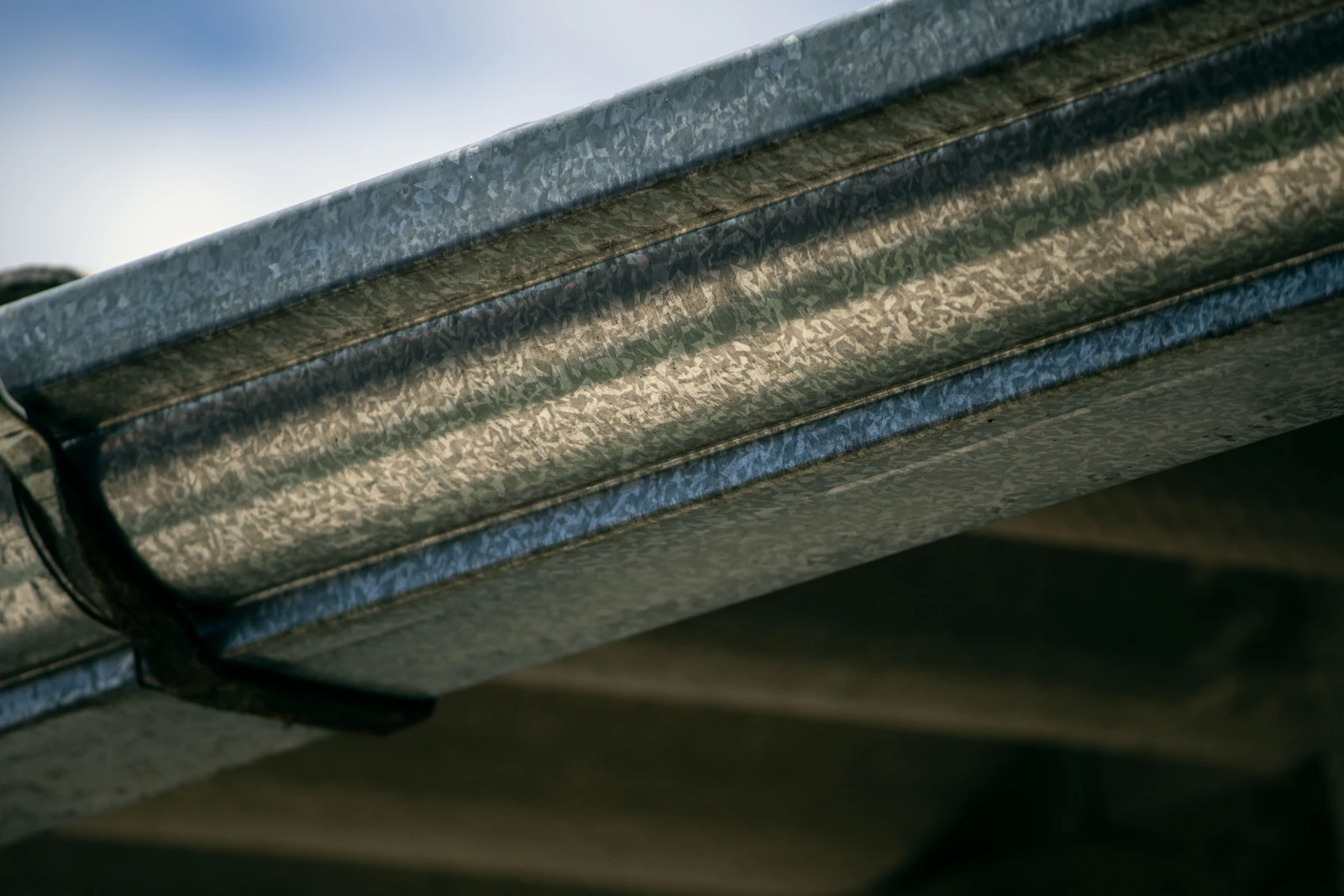
Consider the work area, safe access, property use, surrounding constraints, material handling and weather exposure.
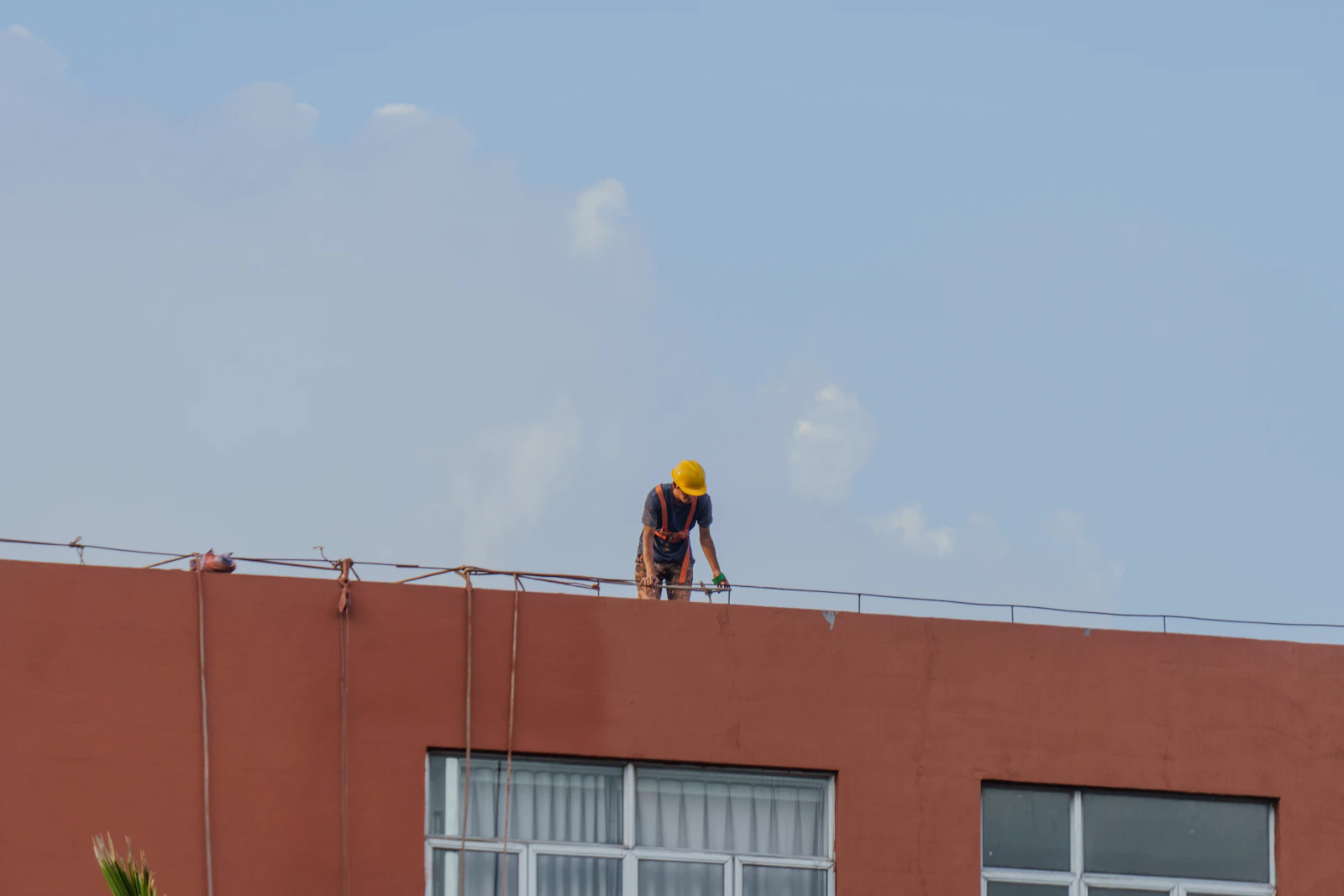
Keep the activity tied to the defined scope and communicate if the visible condition introduces a decision that was not part of the original discussion.
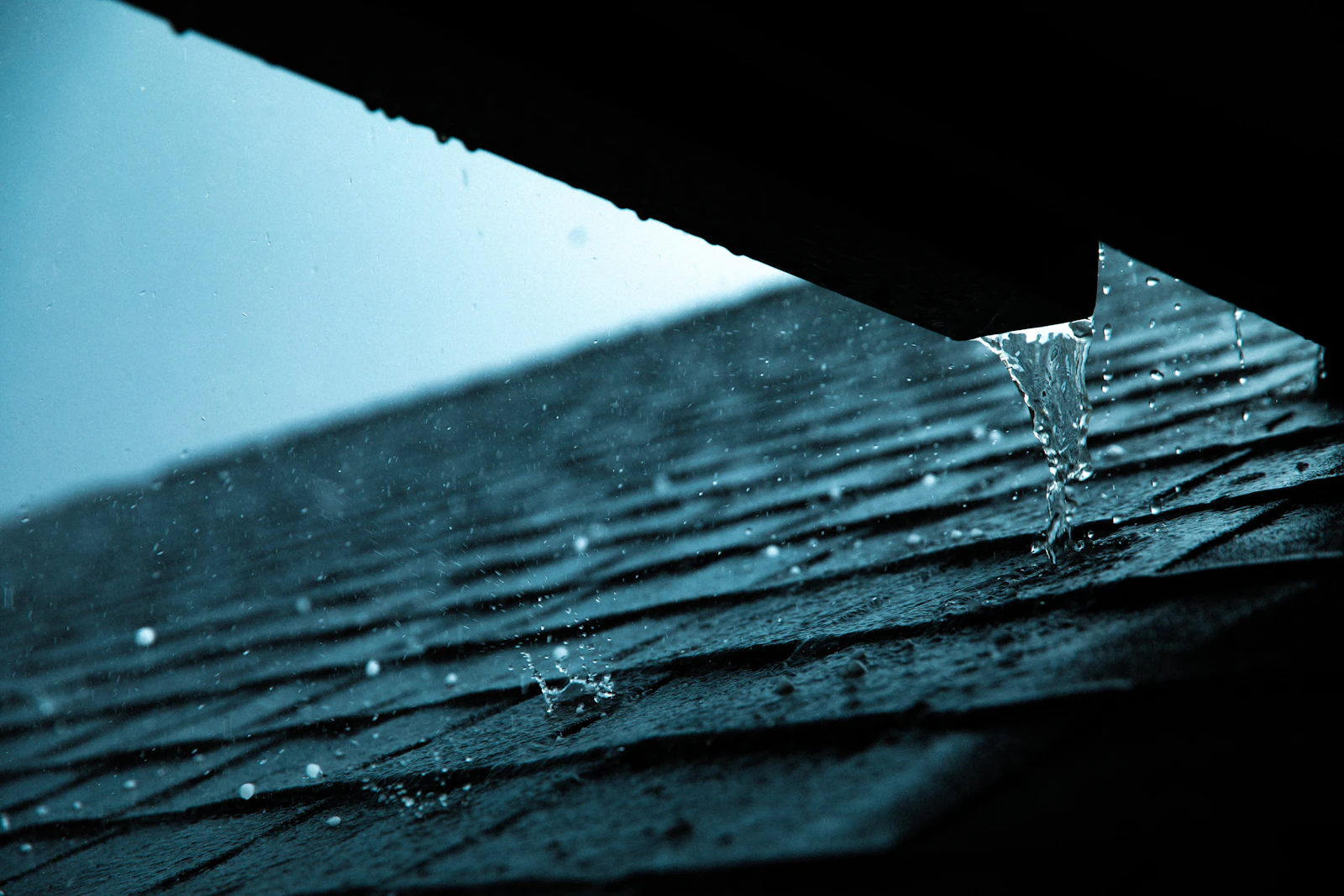
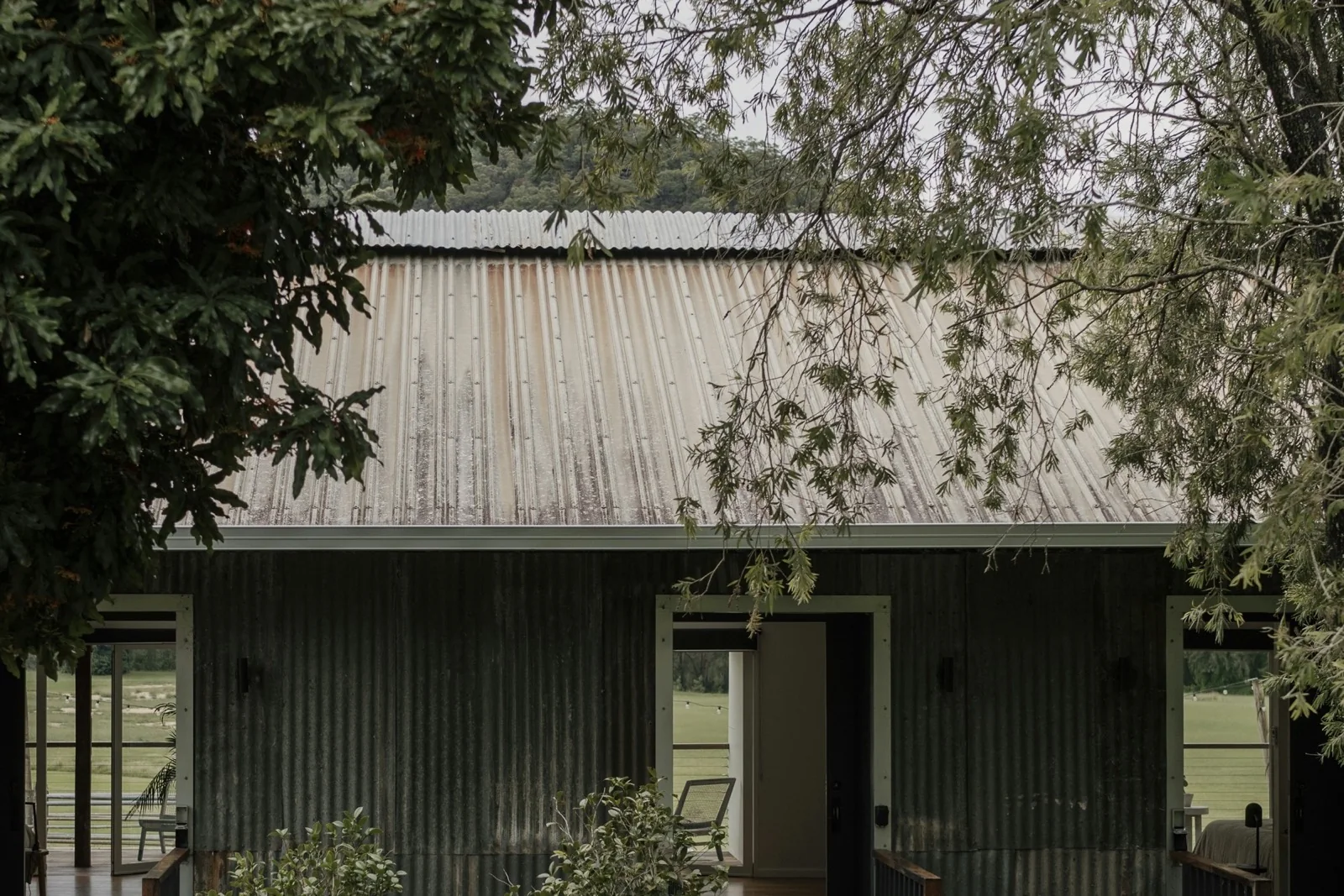
Return to the relevant interfaces, note any practical care points and explain what should be observed over time.
Access and coordination
Height, roof form, surrounding buildings, vegetation, driveways, occupants and other work on site can all affect access and sequencing. Include these details early rather than assuming that one standard arrangement fits every address.
No exact schedule or outcome should be inferred from the general sequence above. The agreed scope and property context guide the practical plan.
A good starting record
A useful enquiry does not need a technical diagnosis. Clear observations, safe images and known constraints are enough to begin.
The practical next step
Email the property context and what you have observed. Hydra Crest can use that information to frame the next practical discussion.