Leaks at joins or corners
Note whether water appears only in rain and whether the joint looks open, moved or corroded.
Services / Gutter repairs and maintenance
Leaks, corrosion, blockages, poor fall, loose sections and downpipe problems need different responses. The first step is to separate the symptom from the repair it may require.
Melbourne roofing and guttering enquiries by email
Common issues
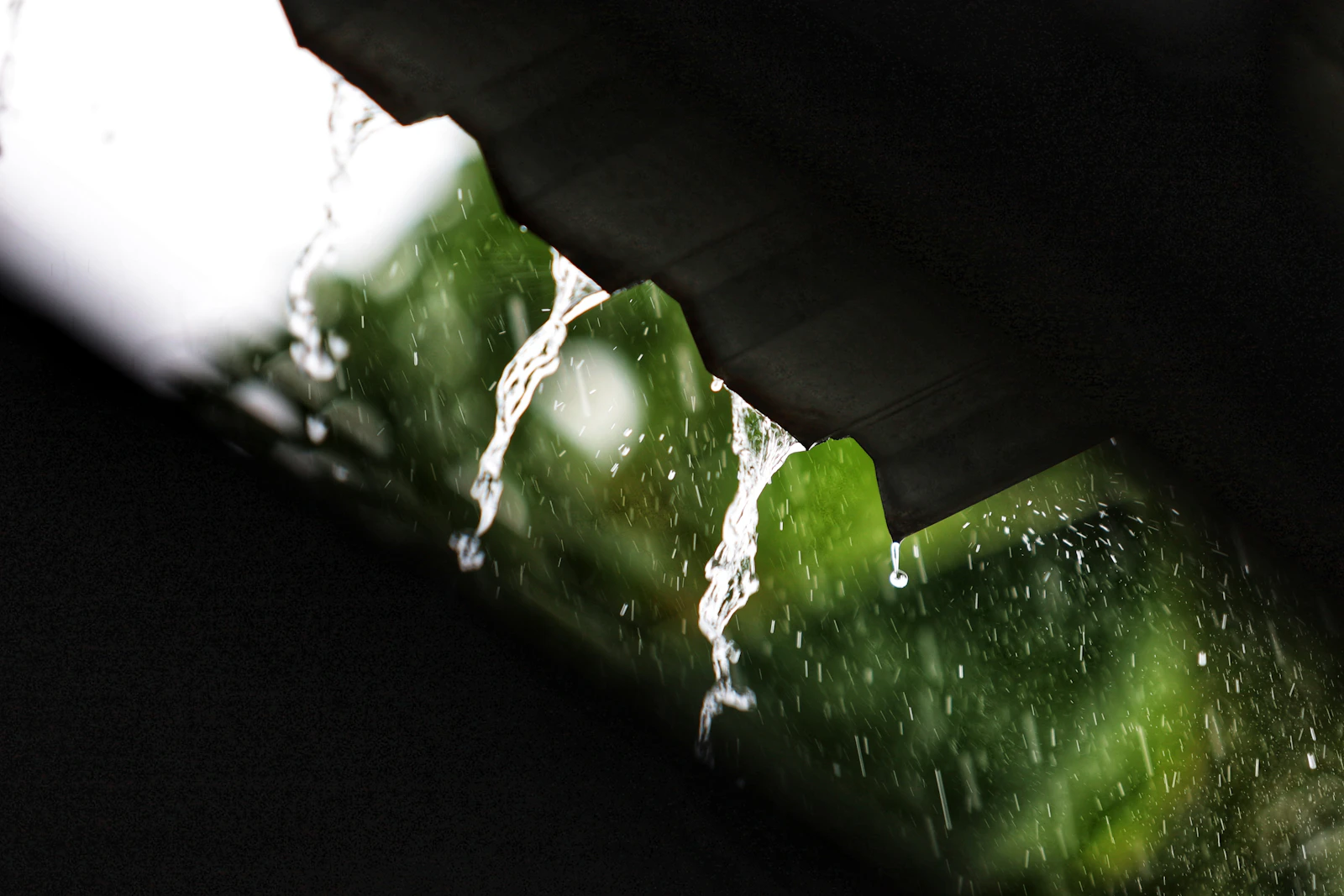
Photographs taken during dry weather and, where safe, during rain can show different parts of the same drainage concern.
Note whether water appears only in rain and whether the joint looks open, moved or corroded.
Share the location and whether it is local to a fixing, joint, outlet or a wider length.
Visible debris, slow drainage and overflow near an outlet can suggest that clearing and condition review are both relevant.
Water remaining in a run may relate to alignment, movement, support or outlet position.
Gaps, changed lines or movement at supports need to be considered with the fascia and roof edge behind them.
Separation, overflow, impact damage or a restricted connection can interrupt the path below the outlet.
Choose the response
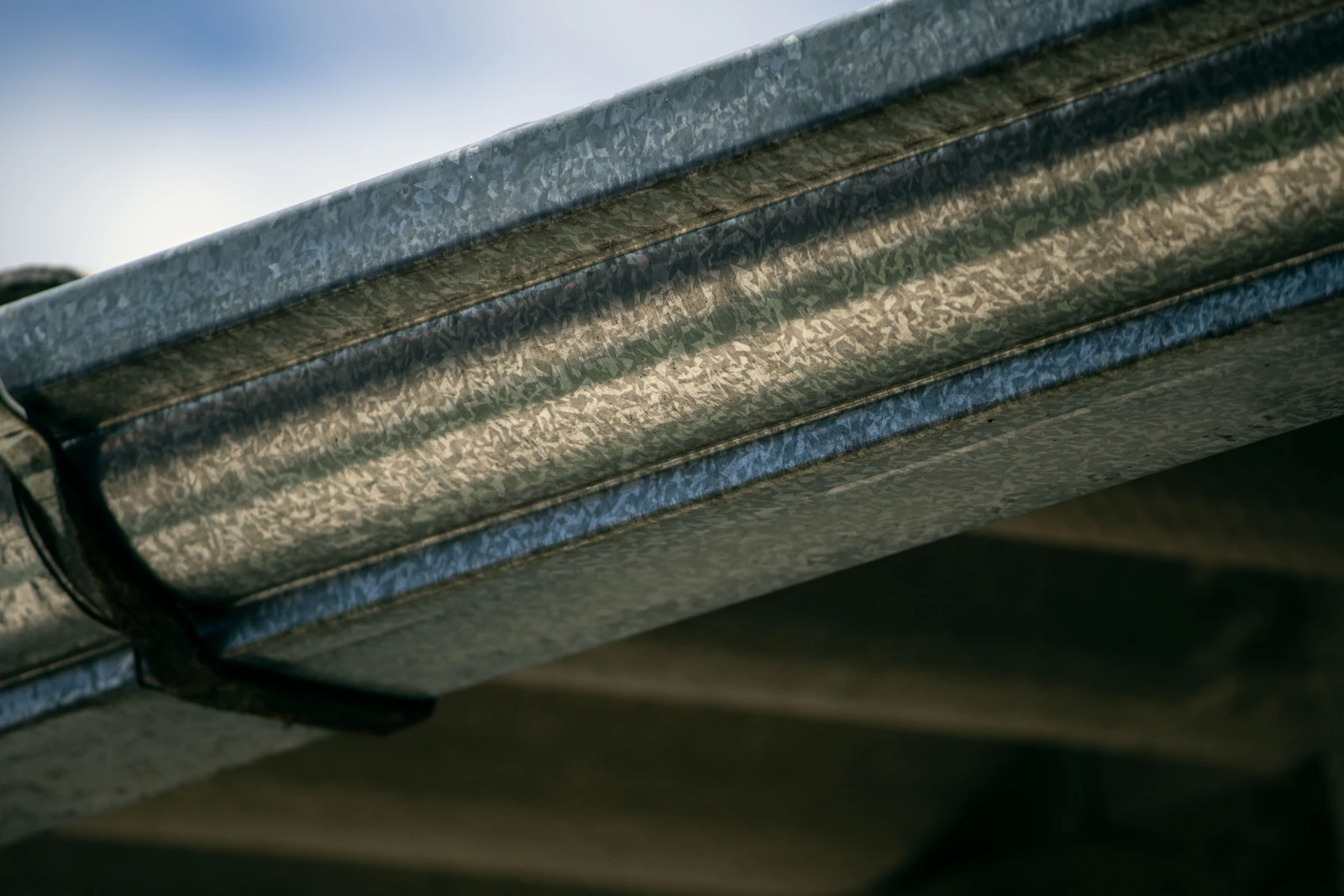
Cleaning removes accessible debris and sediment so the drainage path can be seen and used as intended.
Repair addresses a defined defect such as a failed joint, local damage, loose support or connection issue.
Replacement may be considered where the condition or layout affects a wider run and a local repair would not sensibly address it.
Seasonal maintenance
The timing of maintenance depends on the property, roof form, surrounding vegetation and what has been observed. Avoid fixed calendars that ignore the actual setting.
Look from ground level for obvious debris, moved sections and outlet areas that appear restricted.
From a sheltered safe position, note overflow points, unusual discharge and any water appearing behind the gutter line.
Check for new branches, leaves or visible movement around roof edges and downpipes without climbing.
Compare changes in staining, alignment, corrosion and vegetation rather than relying on one isolated view.
Before you email
Stay at ground level or use an existing safe viewpoint. A sequence from context to detail is more useful than a single tight crop.
Show the roof edge, gutter run and visible downpipes together so their relationship is clear.
Frame the leak, sag, stain, damage or overflow area with enough surrounding context to locate it.
Show where the gutter meets the downpipe and any visible material gathered around that point.
Include bends, joins and the lower connection where these can be seen without entering a restricted area.
Only from a sheltered safe position, a short view during rain may show where water escapes or backs up.
Drag, swipe, use the scrollbar, or focus the rail and use arrow keys.
Questions
Start with the observed water behaviour and visible condition.
No. Overflow may relate to debris, outlet restriction, alignment, capacity or another detail. The visible behaviour and gutter condition need to be considered before choosing cleaning, repair or replacement.
A local repair may be possible, but the surrounding material, alignment and reason the joint has opened should be reviewed before defining the scope.
There is no useful universal interval. Roof form, trees, wind exposure, outlet layout and the rate of debris build-up differ by property. Observed conditions should guide the maintenance discussion.
Do not use unsafe access or work near hazards. If the area cannot be reached from a safe position with appropriate arrangements, describe the blockage and location by email instead.
The practical next step
Email the suburb, property context, affected elevation, observed issue and safe photographs of the full gutter run, nearby outlet and visible downpipe route.